Among Nepal’s many religious traditions, Swosthani Brata Katha stands apart for its quiet devotion, seasonal rhythm and deep cultural significance. Observed primarily during the winter months, this month-long Hindu ritual offers travellers a rare glimpse into Nepal’s household spirituality, where faith is practised not through grand processions, but through discipline, storytelling and ritual purity.
Rooted in ancient belief systems and passed down through generations, Shree Swosthani remains an enduring expression of devotion, particularly among women in Nepal’s hill and valley communities.
Belief Behind Swosthani Brata Katha
Swosthani Brata Katha centres on the worship of Goddess Swosthani, a manifestation of divine feminine energy associated with purity, protection and fulfilment of wishes. The sacred narrative recounts stories of gods, sages and devoted followers, with a strong emphasis on faith, patience, moral conduct and spiritual endurance.
Devotees believe that observing the fasting vow (Brata) brings family harmony, marital stability, good health and spiritual merit. The ritual also reinforces ethical living, as the stories highlight the consequences of both devotion and neglect.
When and How Swosthani Begins
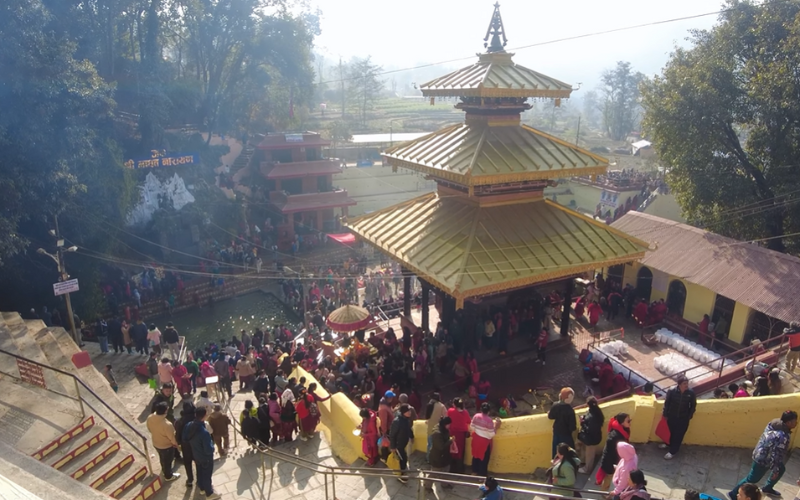
Swosthani Brata Katha begins on the full moon of the lunar month of Poush (late December to mid-January) and concludes on the full moon of Magh (mid-January to mid-February). This period coincides with Nepal’s coldest season, a time traditionally associated with introspection, purification and renewal.
The opening day marks the formal commitment to the Brata, when devotees prepare ritual spaces in their homes or visit rivers and temples to commence their observance.
Traditions and Ritual Practices
The observance of Swosthani follows a disciplined daily routine. Devotees typically rise early for ritual bathing, often in rivers or at household water sources, symbolising spiritual cleansing. This is followed by daily recitation or listening to the Swosthani Brata Katha, usually read aloud within the family.
Offerings of fruits, flowers, incense and sacred items are made to the goddess, and many observers practise fasting or dietary restrictions, consuming simple, sattvic food. The ritual concludes each day with prayers seeking blessings for loved ones.
On the final full moon, devotees perform a concluding puja, offering symbolic items collected throughout the month, marking the completion of the Brata.
Saali Nadi and the Completion of the Brata
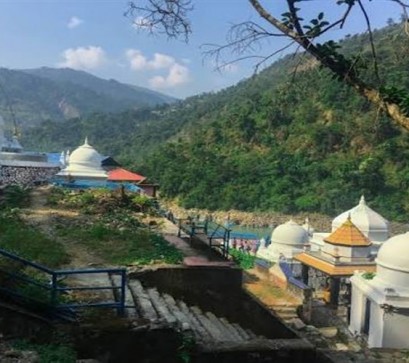
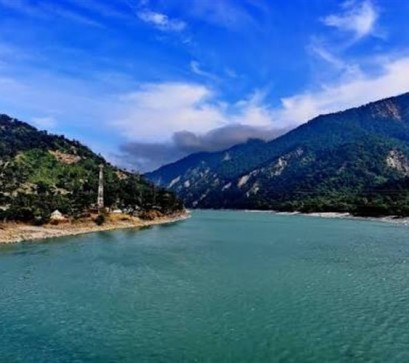
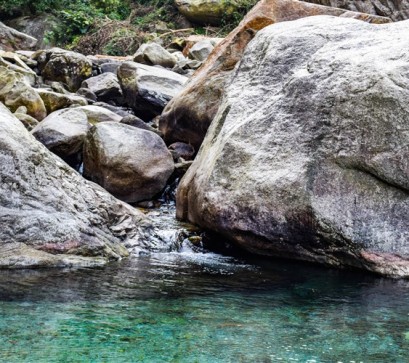
The culmination of Swosthani Brata Katha takes place at Saali Nadi, a sacred river in Sankhu, on the final full moon of Magh. At dawn, thousands of devotees gather to take a ritual bath in the river, symbolising purification and the successful completion of their month-long fast. Offerings of fruits, flowers and ritual items are then made during the concluding puja.
According to belief, Goddess Parvati herself observed the Swosthani Brata on the banks of Saali Nadi and prayed to Goddess Swosthani, seeking Lord Shiva (Mahadev) as her husband. This sacred narrative has established Saali Nadi as the spiritual heart of the observance, making it a significant pilgrimage site during the festival’s closing day.
.png)
Cultural Significance for Travellers
For travellers visiting Nepal in winter, Swosthani Brata Katha offers an intimate cultural experience rather than a public festival. Early mornings by riverbanks, women reading sacred texts, and quiet temple rituals reveal a softer, contemplative side of Nepalese life.
Unlike more visible celebrations, it reflects how religion in Nepal is woven into everyday routines, making it particularly meaningful for those interested in living traditions rather than spectacle.
Despite modernisation and changing lifestyles, Swosthani Brata Katha continues to thrive, adapting quietly within contemporary households. Its endurance highlights the resilience of Nepal’s spiritual heritage and the central role of women in preserving ritual knowledge.
Also Read

.jpg)
.jpg)