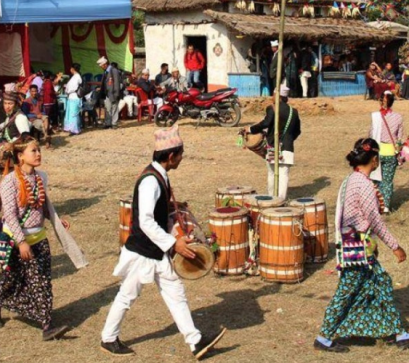
Bhume Naach is a traditional ritual dance performed by several of Nepal’s indigenous communities, particularly the Rai, Limbu, Magar, and other Kirati groups. Closely tied to agrarian life, the dance is dedicated to Bhume Devta, the earth deity, and reflects a longstanding belief in the earth as a living, protective force. Practised primarily in Nepal’s hill regions, Bhume Naach remains an important expression of cultural identity and spiritual continuity.
Ritual Significance and Belief System
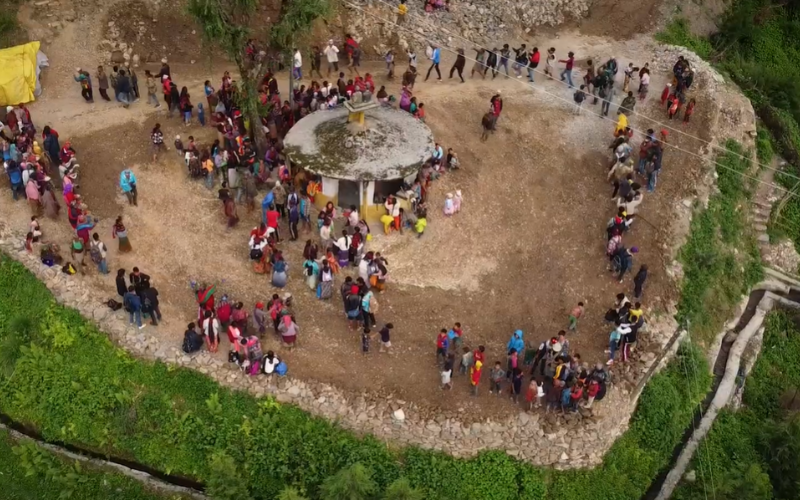
Bhume Naach is performed as part of Bhume Puja, a ceremonial worship of the earth conducted to seek blessings for fertile land, favourable weather, abundant harvests, and protection from natural disasters. The ritual underscores the community’s dependence on agriculture and their respect for natural elements. Rather than a performance for spectators, the dance functions as a communal act of devotion, led by elders and traditional priests.
Seasonality and Regional Practice
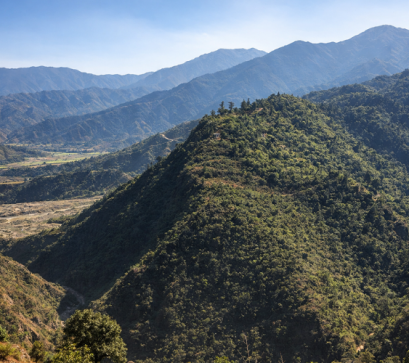
The dance is traditionally observed during late spring or early summer (May-June), just before the monsoon planting season. This timing reinforces its agricultural relevance. Bhume Naach is commonly practised in eastern and central hill districts of Nepal, particularly in areas where indigenous communities continue to follow ancestral farming and ritual practices.
Form, Music, and Dress
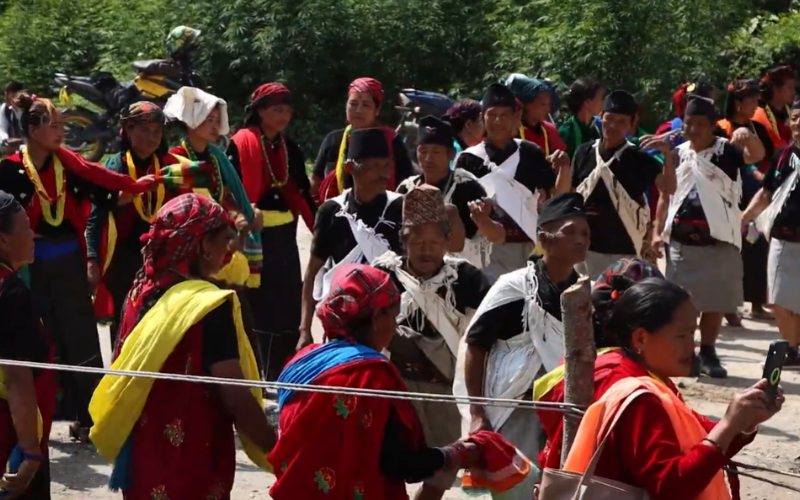
Bhume Naach is characterised by measured, circular movements, symbolising harmony, unity, and the cyclical rhythm of nature. The dance is accompanied by traditional percussion instruments, including the madal, along with folk chants and rhythmic clapping. Participants wear traditional ethnic attire, often simple and earth-toned, reflecting their connection to land and livelihood.
Cultural and Contemporary Relevance
Beyond its ritual function, Bhume Naach holds significant anthropological and cultural value. It preserves indigenous knowledge systems, oral traditions, and ecological understanding passed down through generations. In the context of modern Nepal, the dance also serves as a reminder of sustainable living practices and the importance of maintaining a respectful relationship with the natural environment.
Bhume Naach stands as a meaningful representation of Nepal’s indigenous heritage, where spirituality, agriculture, and community life are closely intertwined. For culturally curious travellers and researchers alike, it offers insight into a worldview shaped by reverence for the earth: one that continues to influence local life long after the dance concludes.
Also Read