Maghe Sankranti, also known as Maghi, is one of the most important winter festivals of Nepal. It marks the end of the cold month of Poush and the beginning of the warmer month of Magh. The festival is celebrated with holy baths, prayers to the Sun God, family gatherings and, most importantly, by eating special traditional foods that provide warmth, strength and nutrition.
The foods eaten on this day are rich in energy, healthy fats and minerals. They help protect the body from cold weather and are believed to keep people healthy throughout the year.
Importance of Food on Maghe Sankranti
Maghe Sankranti is closely connected with seasonal eating. In winter, people need more energy and warmth, so traditional foods such as molasses, sesame seeds, ghee and root vegetables are prepared. There is a popular saying in Nepal:
“If you eat chaku, ghee and tarul on Maghe Sankranti, you will remain healthy all year.”
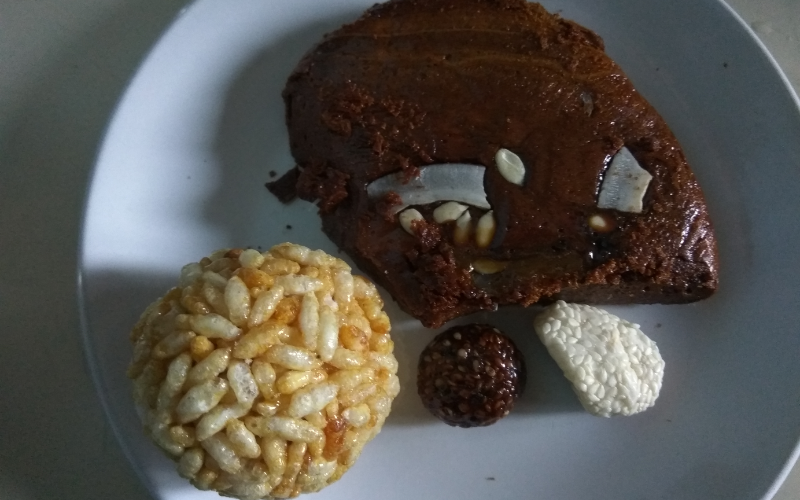
Traditional Foods of Maghe Sankranti
Chaku (Molasses Sweet)
Chaku is the most important food of Maghe Sankranti. It is made by boiling thick sugarcane molasses until it becomes hard and sticky. It is eaten with ghee and sometimes mixed with nuts or sesame seeds. Chaku provides instant energy and keeps the body warm.
Til ko Laddu (Sesame Seed Sweets)
Sesame seed laddus are made by mixing roasted sesame seeds with jaggery or molasses. They are rich in calcium, iron and healthy oils. Sesame seeds are considered very warming and are believed to strengthen the body during winter.
Ghee (Clarified Butter)
Ghee is eaten with almost all Maghe Sankranti foods. It is mixed with chaku, yams and sweet potatoes. Ghee is highly nutritious and is believed to improve digestion, immunity and body strength.

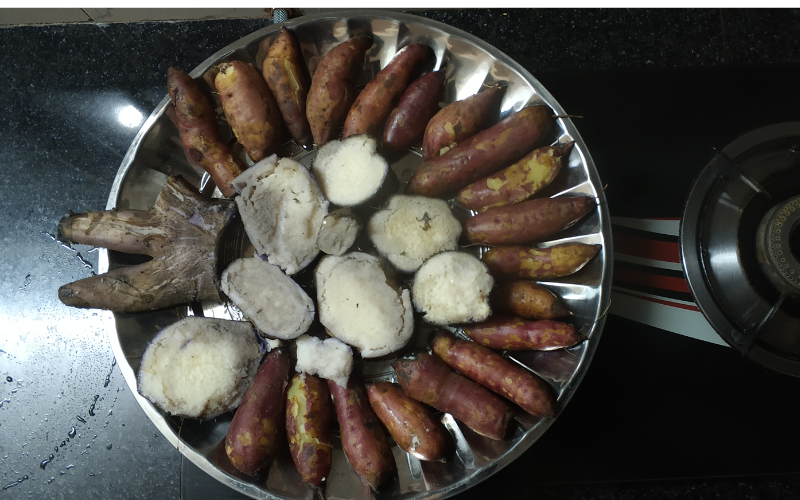
Yam (Tarul)
Different types of yams, known as tarul, are boiled and eaten with salt, chilli and ghee. Yams are a symbol of seasonal eating and are believed to give warmth and strength to the body.
Sweet Potatoes
Boiled or roasted sweet potatoes are another common food on this day. They are rich in fibre, vitamins and natural sugars, making them healthy and filling.
Khichadi
In many households, especially among Brahmin, Chhetri and Tharu communities, khichadi is prepared. It is made by cooking rice and lentils together. It is easy to digest and provides protein and energy.
Bhuja or Murai ko Laddu (Puffed Rice Sweets)
In the Terai and urban areas, laddus made from puffed rice mixed with jaggery are also popular. They are light, tasty and nutritious.
Community-Specific Foods
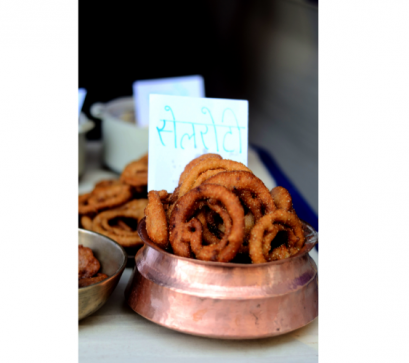
Some ethnic communities prepare their own traditional dishes. For example, Magar, Gurung and Tharu communities prepare special local foods according to their culture. In certain areas, sel roti is also included as part of the festival meal.
Maghe Sankranti is a time for family reunions and sharing food with neighbours and relatives. Elders give blessings to younger members, wishing them good health and long life. The festival teaches the importance of seasonal eating, gratitude for harvest, and togetherness.
Maghe Sankranti is not only a religious festival but also a celebration of healthy living. The traditional foods eaten on this day — such as chaku, sesame sweets, ghee, yams and sweet potatoes — are perfectly suited for winter and provide warmth, energy and nourishment. By enjoying these foods, people welcome the new season with happiness, health and hope.
PC: Wikimedia Commons, Sonia Goyal
Also Read


.jpg)

.jpg)