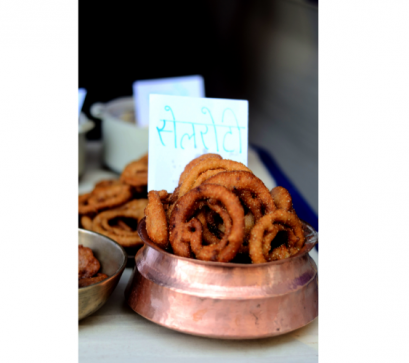
Beyond the familiar comforts of dal bhat and mo:mo, Nepal’s culinary heritage is deeply rooted in regional landscapes, indigenous knowledge and climate-responsive diets. From fermented flavours of the east to forest-foraged staples of the west, lesser-known traditional foods such as dhido, githa and vyakur, sisnu, kinema, phapar ko roti and phapar ko jaulo offer travellers a deeper understanding of Nepal’s cultural and ecological diversity.
Dhido: The Highland Staple
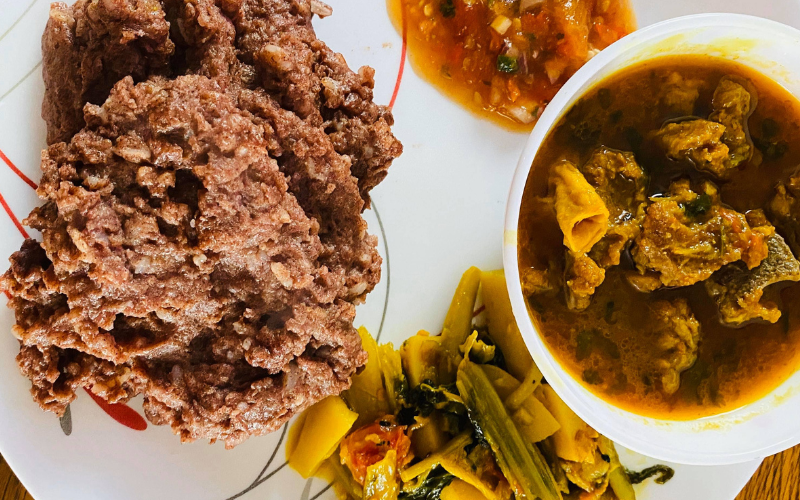
Dhido is a thick porridge prepared from millet, maize or buckwheat flour, widely consumed in Nepal’s hills and mountains. Traditionally eaten with wild greens, fermented pickles or meat broths, dhido is valued for its high fibre content and warming qualities, making it ideal for colder climates. Its resurgence today reflects a growing interest in indigenous, gluten-free and sustainable diets.
Githa and Vyakur: Forest-Foraged Roots
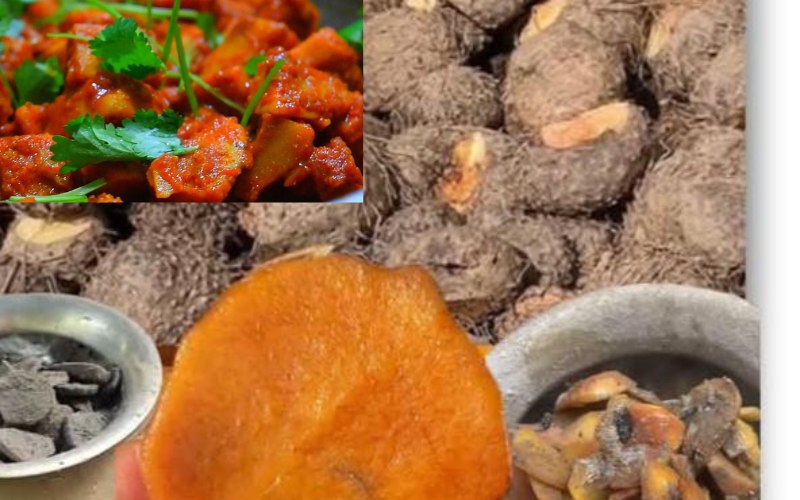
Githa and vyakur are wild tubers harvested from Nepal’s forests, particularly by indigenous and nomadic communities in western Nepal. Once detoxified through careful boiling, these roots become a vital source of carbohydrates. Their consumption highlights Nepal’s ancient foraging traditions and intimate ecological knowledge passed down through generations.
Sisnu: Stinging Nettle Curry
Sisnu, commonly known as stinging nettle, is another traditional food that reflects Nepal’s long-standing foraging culture and close relationship with the natural environment. Found abundantly in the hills and mid-mountain regions, sisnu is carefully harvested and cooked to remove its sting, usually prepared as sisnu ko saag or a thick, nourishing curry flavoured with garlic and local spices. Rich in iron and essential minerals, it is traditionally eaten with dhido or rice, particularly during the colder months

Kinema: Fermented Soybean Delicacy
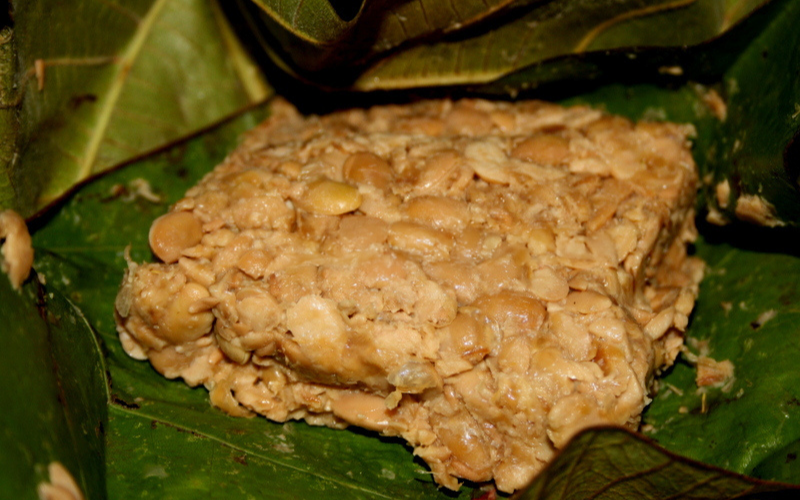
Originating in eastern Nepal, kinema is a fermented soybean dish known for its strong aroma and rich umami flavour. Often sautéed with onions, chillies and tomatoes, kinema is both nutritious and probiotic. Its fermentation process speaks to age-old preservation techniques developed in response to Nepal’s varied climate.
Phapar Ko Roti and Phapar Ko Jaulo: Buckwheat Comfort Foods
Buckwheat, or phapar, thrives in high-altitude regions, giving rise to staples such as phapar ko roti (buckwheat flatbread) and phapar ko jaulo (a comforting porridge of buckwheat and lentils). These dishes are especially popular in winter, offering warmth and sustenance while reflecting Himalayan agricultural resilience.
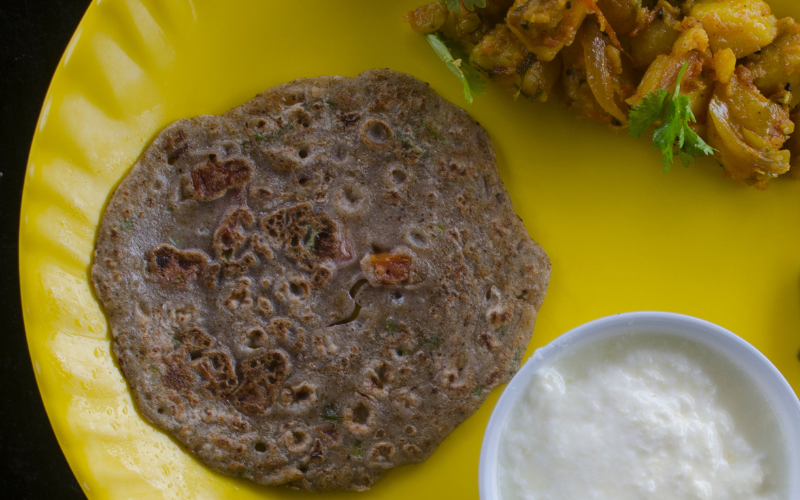
For travellers, exploring these foods is more than a culinary journey; it is an immersion into Nepal’s living heritage. Each dish tells a story of adaptation, sustainability and community, making Nepal’s lesser-known cuisine an essential part of any culturally conscious travel experience.
PC: WordPress.org, Wikimedia Commons, Collections,
Also Read









.png)