Before the silence of Teej's nirjala fast settles over the Kathmandu Valley, there is noise the clatter of pots, the sizzle of oil, the laughter of women gathered around a table piled high with food. This is Dar Khane Din, the feast day, and it is where Teej truly begins.
Dar means a heavy, deliberate meal eaten in preparation for what's ahead: the strict, waterless nirjala vrat that most fasting women will observe the next day. The feast happens before midnight for a practical reason it's the last chance to eat and drink before the body is asked to go without either for a full day. But Dar Khane Din is more than fuel. It's a role reversal, with men often stepping in to cook and serve so women can rest. And it's a night of freedom singing, dancing, and sisterhood take center stage, making the evening feel closer to celebration than solemn ritual.
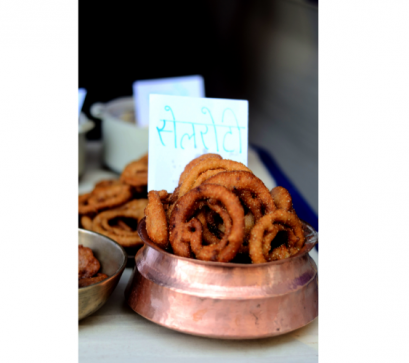
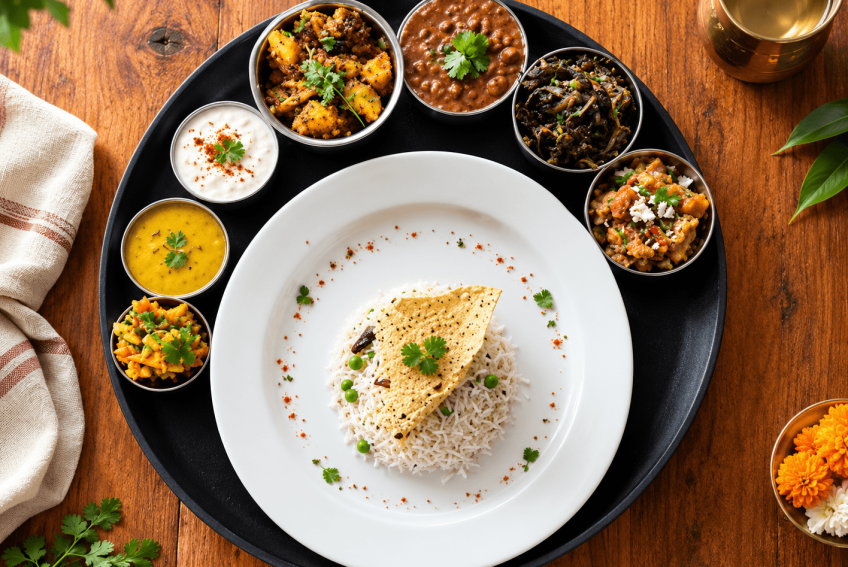
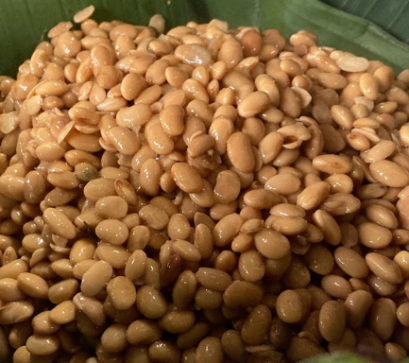
There's no fixed menu for Dar, but certain dishes appear again and again on the table:
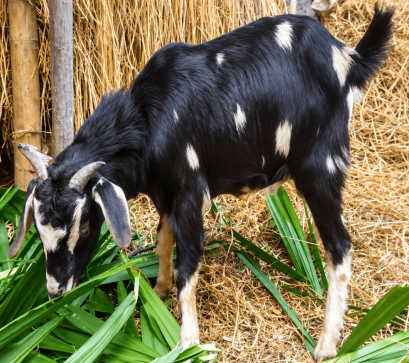
Traditionally vegetarian, many modern gatherings now also include chicken or mutton, reflecting how families adapt the feast to their own tastes and circumstances.
For a married daughter, Dar Khane Din often means returning to her maita her parental home where her family hosts the meal and welcomes her back for an evening among the people she grew up with. But the setting has grown more flexible with modern life: a sister's apartment, a friend's home, a Nepali restaurant, or a community hall can all become the gathering place. Traditional Newari restaurants across the Valley are a good option for visitors or those without family nearby who still want to taste an authentic Dar spread.
It's tempting to think of Dar as simply eating as much as possible before deprivation sets in, but that undersells it. The meal is an act of hospitality, reunion, and care women building strength together before a demanding day, sharing food as an expression of community rather than excess. A comfortable, balanced plate that respects one's health matters more than the amount consumed.
As the night winds down and the last sweets are cleared away, the abundance gives way to austerity. Those who feasted and danced together until midnight will, by dawn, be standing side by side again this time in the queue at Pashupatinath, carrying the meal's warmth into the fast ahead.




.png)