The Mardi Himal Viewpoint is one of Nepal’s most rewarding yet understated Himalayan destinations. Located in the eastern section of the Annapurna region, this viewpoint offers extraordinary close-up mountain scenery, rich biodiversity and a quieter trekking experience compared to Nepal’s more established trails.
Ideal for travellers seeking natural beauty, ecological depth and cultural authenticity, Mardi Himal Viewpoint has quickly gained recognition as a must-visit destination for responsible and immersive travel in Nepal.
Mardi Himal Viewpoint lies along the Mardi Himal Trek, a short yet diverse trekking route branching east of the Annapurna Base Camp trail. The viewpoint is usually accessed from High Camp or the upper alpine section near Mardi Himal Base Camp, at elevations exceeding 4,000 metres.
Despite its altitude, the trek remains relatively accessible, making it a popular choice for trekkers with limited time who still wish to experience high Himalayan landscapes.
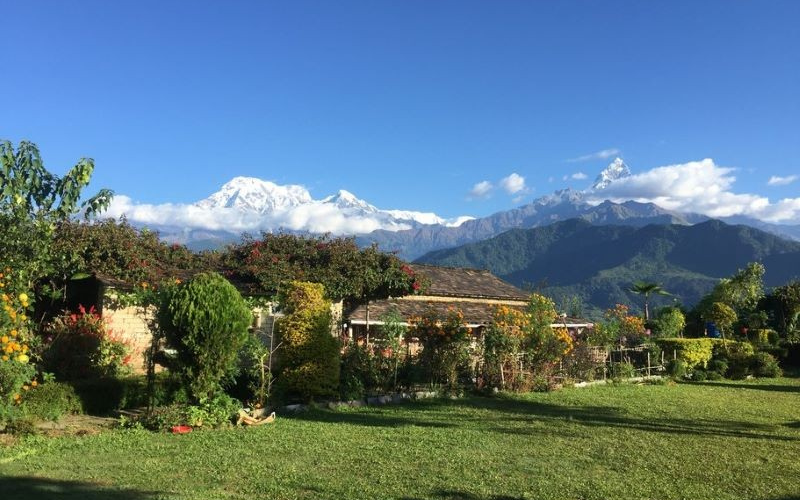
Mountain Views from Mardi Himal Viewpoint
The highlight of Mardi Himal Viewpoint is its Himalayan panorama. From this elevated balcony, trekkers are rewarded with striking views of:
Unlike distant viewpoints, the mountains here appear exceptionally close, offering a powerful sense of scale and intimacy that is rare even in Nepal.
Ecological Conditions and Natural Environment
The Mardi Himal trail is renowned for its ecological diversity, passing through multiple climatic zones within a relatively short distance.
Forest Ecosystems
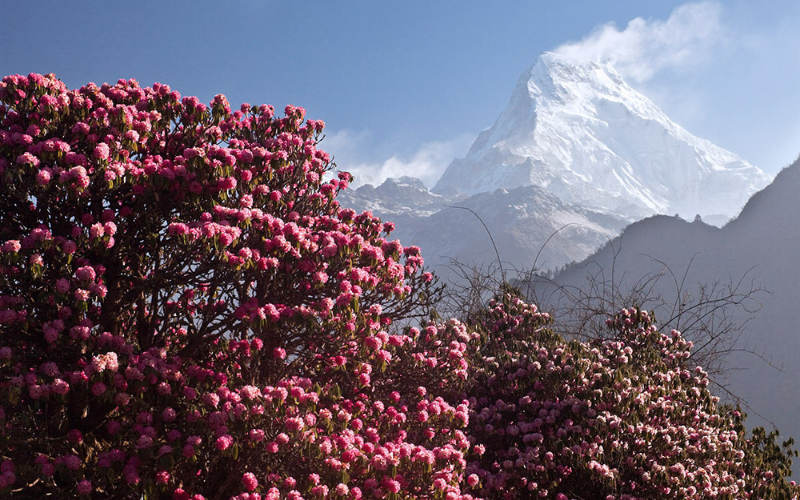
Lower elevations are covered in dense forests of oak, bamboo and maple. In spring, rhododendron blooms create vibrant natural corridors, attracting birdlife and pollinators.
Subalpine and Alpine Zones
As altitude increases, forests transition into fir and rhododendron stands before giving way to alpine meadows and rocky ridgelines. Hardy grasses, mosses and high-altitude wildflowers survive in thin soils and harsh conditions, illustrating the resilience of Himalayan ecosystems.
These environments play a crucial role in water conservation, slope stability and biodiversity protection within the Annapurna region.
The climatic conditions at Mardi Himal Viewpoint vary significantly with altitude and season. Spring and autumn offer the most favourable weather, with clear skies, stable conditions and daytime temperatures that are mild at lower elevations but drop to near or below freezing at higher altitudes. Summer is influenced by the monsoon, bringing frequent rainfall, cloud cover and lush vegetation, while winter is cold and dry, with occasional snowfall and sub-zero temperatures near the viewpoint. Across all seasons, the area is characterised by rapid weather changes, strong winds on exposed ridges and a marked difference between daytime warmth and cold nights, making layered clothing and careful planning essential for trekkers.
Sustainable Tourism and Environmental Awareness
Mardi Himal Viewpoint lies within a protected conservation area, where environmental sensitivity is essential. Increasing visitor numbers have brought attention to issues such as trail erosion and waste management.
Local communities and trekking operators encourage eco-friendly practices, including:
In a country celebrated for its mountains, Mardi Himal Viewpoint stands out for its subtlety. It offers grandeur without excess, solitude without isolation, and adventure without overwhelming difficulty.
PC: Wikimedia Commons, Inside himalayas (Greg Willis), KimKim
Also Read