
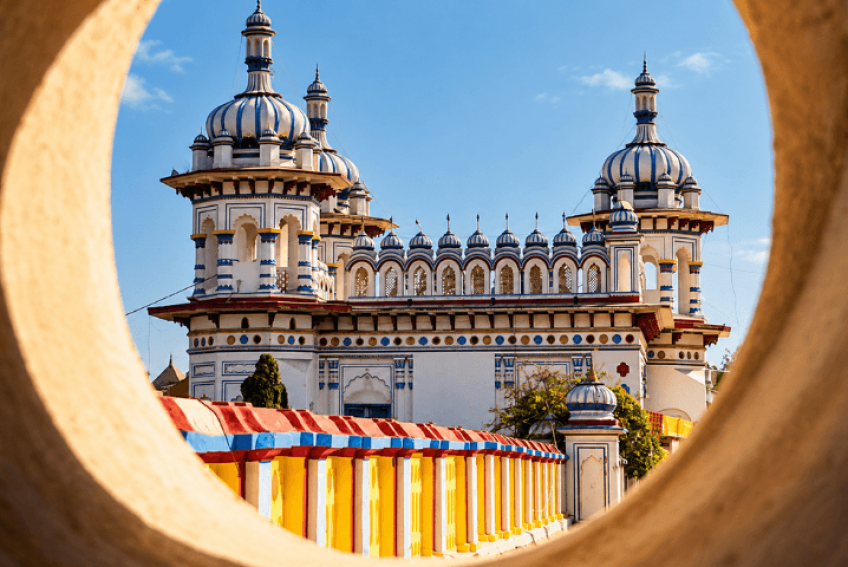
Janakpur is more than the magnificent Janaki Mandir that first draws travellers to its streets. Step beyond the temple, and the city opens into a vibrant world of Mithila art, Maithili traditions, bustling markets, and flavours rooted in the Terai. Steeped in the legendary story of Sita and the ancient kingdom of Videha, Janakpur offers a glimpse into a culture that is still very much alive today.
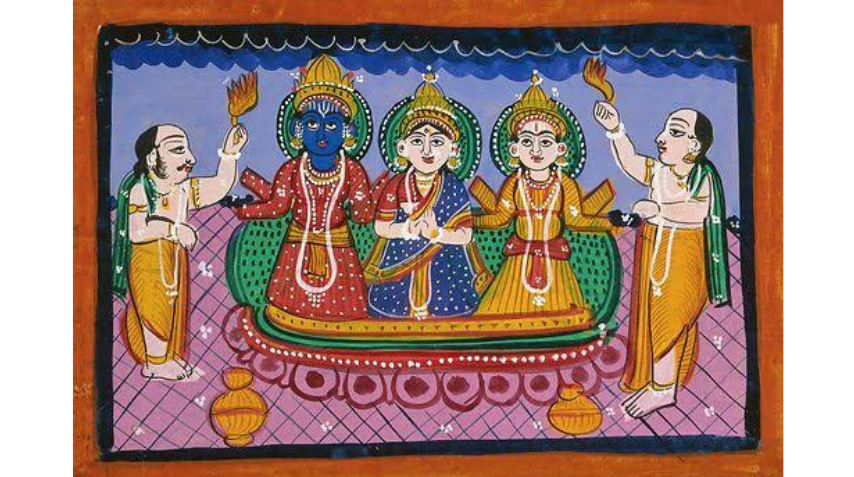
Mithila art is the clearest example. Women in Janakpur and the surrounding villages paint geometric patterns and scenes from mythology directly onto mud walls, courtyards, and handmade paper, using natural pigments turmeric for yellow, indigo for blue, soot for black applied with twigs, matchsticks, or fingers.
Fish, peacocks, and lotus flowers recur throughout, tied to ideas of fertility and prosperity. The Janakpur Women's Development Center on Girija Path is the easiest place to watch this work in progress and buy directly from the artists. For a fuller picture, some visitors head into nearby villages, where painted homes are still lived in rather than kept as displays for tourists.
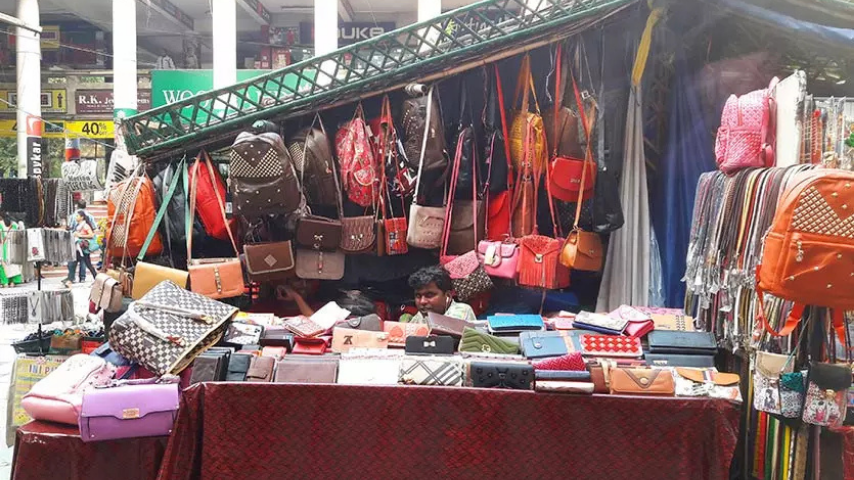
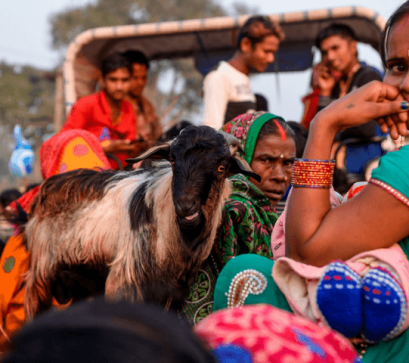
The Old Janakpur Bazaar is the other reason to linger. Its narrow lanes sell traditional clothing, bangles, and regional handicrafts, and simply walking through gives a better sense of daily life than any single monument does.
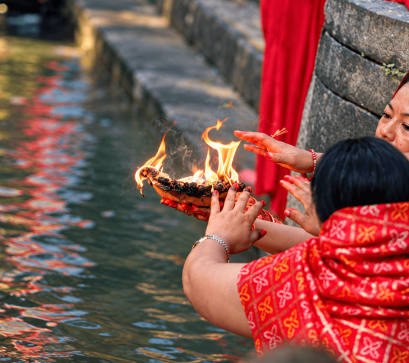
The city's sacred ponds Dhanush Sagar and Ganga Sagar, both near the centre double as social space, where locals gather in the evenings well outside festival season. The Janakpur Railway Station, tied to one of South Asia's oldest surviving rail links, is also worth a stop for anyone interested in the region's colonial-era transport history.
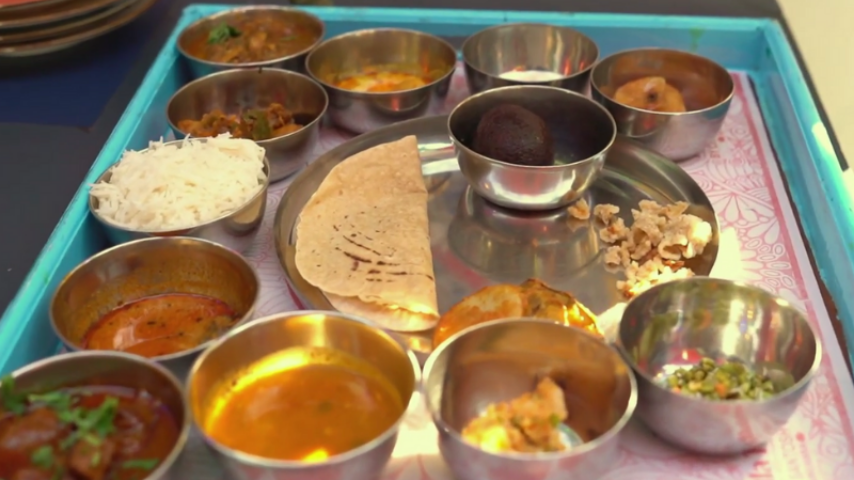
Food is where the Maithili identity comes through most directly. A Maithili thali typically includes spiced lentils, rice, fried greens, and stuffed preparations like bharwa or kachariya, with sweets such as malpua and peda sold in the bazaar, especially around festivals. None of it resembles hill Nepali cooking, which is part of the appeal.
Janakpur sits in the Terai, so plan around the climate: hot and dry in March–April, wet from May to September, and mild and dry from October through February, which is the most comfortable stretch for walking the streets and markets.
The city is reachable by domestic flight from Kathmandu (around 30–35 minutes), by road, or by rail from the Indian border town of Jaynagar. Dress modestly, carry cash for small vendors, and set aside at least a full day beyond the temples; the markets, ponds, and art centres reward unhurried visits rather than a quick stop between flights.

 (1).png)