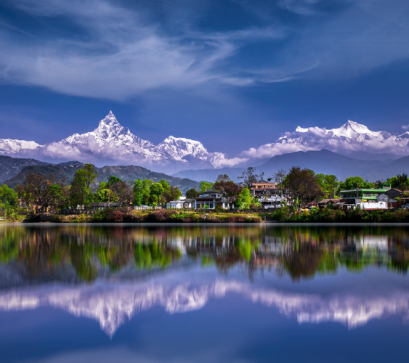
Nepal is internationally renowned for its dramatic landscapes and extraordinary biodiversity. Despite covering a relatively small area, the country protects a remarkable range of ecosystems through its national parks—from subtropical jungles in the south to the highest mountains on Earth in the north. These protected areas are vital not only for wildlife conservation but also for cultural preservation and sustainable tourism.
Below are some of the national parks of Nepal you must visit, each offering a distinct and unforgettable experience.
Chitwan National Park
Established in 1973, Chitwan National Park is Nepal’s first national park and a UNESCO World Heritage Site. Located in the lowland Terai region, it is globally recognised for its conservation success.
Key features
One-horned rhinoceros and Bengal tiger
Wild elephants, gharial crocodiles and over 500 bird species
Jeep safaris, guided jungle walks and canoeing on the Rapti River
Rich cultural heritage of the Tharu people
Ethical wildlife tourism has reduced elephant safaris in favour of jeep and walking safaris.

Sagarmatha National Park
Sagarmatha National Park lies in the north-east of Nepal and encompasses Mount Everest (8,848.86 m), the highest mountain in the world. It is also a UNESCO World Heritage Site, celebrated for both its natural beauty and Sherpa culture.
Key features
Iconic Himalayan scenery and glaciers
World-famous trekking routes, including Everest Base Camp
Wildlife such as snow leopards, Himalayan tahr and red pandas
Buddhist monasteries and traditional Sherpa settlements

Langtang National Park
Langtang National Park, located just north of Kathmandu, is the closest Himalayan national park to the capital. It is known for its spectacular valleys, glaciers and strong cultural identity.
Key features
Langtang Valley and alpine meadows
Glaciers, forests and high-altitude lakes
Wildlife including red pandas and Himalayan black bears
Tamang culture influenced by Tibetan traditions

Bardia National Park
Bardia National Park is the largest national park in Nepal and lies in the far-western Terai. It is less visited than Chitwan, making it ideal for travellers seeking a quieter and more authentic wildlife experience.
Key features
Excellent chances of spotting Bengal tigers
Wild elephants, swamp deer and river dolphins nearby
Outstanding birdwatching opportunities
Proximity to the Karnali River (rafting available outside the core park area)

Shey Phoksundo National Park
Located in the remote Dolpo region, Shey Phoksundo National Park is Nepal’s largest national park by area. It is famed for its dramatic terrain and deep cultural connections to Tibetan Buddhism.
Key features
The striking turquoise waters of Phoksundo Lake
Rugged cliffs, deep gorges and waterfalls
Rare wildlife such as snow leopards and blue sheep
Ancient monasteries and traditional Tibetan-style villages
Access requires special trekking permits and careful logistical planning.

Nepal currently protects its natural heritage through 12 national parks, alongside wildlife reserves and conservation areas. Visiting these parks allows travellers to experience extraordinary biodiversity while contributing directly to conservation and local livelihoods.
From the dense jungles of the Terai to the icy peaks of the Himalayas, Nepal’s national parks showcase one of the greatest concentrations of natural and cultural diversity in the world. Whether you seek wildlife encounters, high-altitude trekking or immersion in traditional mountain cultures, Nepal’s national parks offer experiences that are both enriching and unforgettable.
PC: Flickr, Wikimedia Commons
Also Read