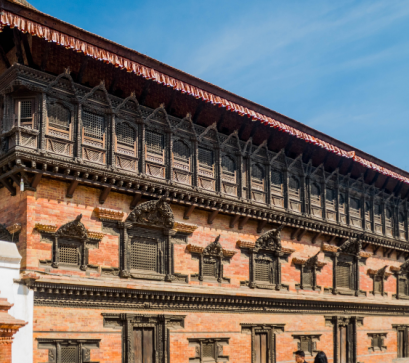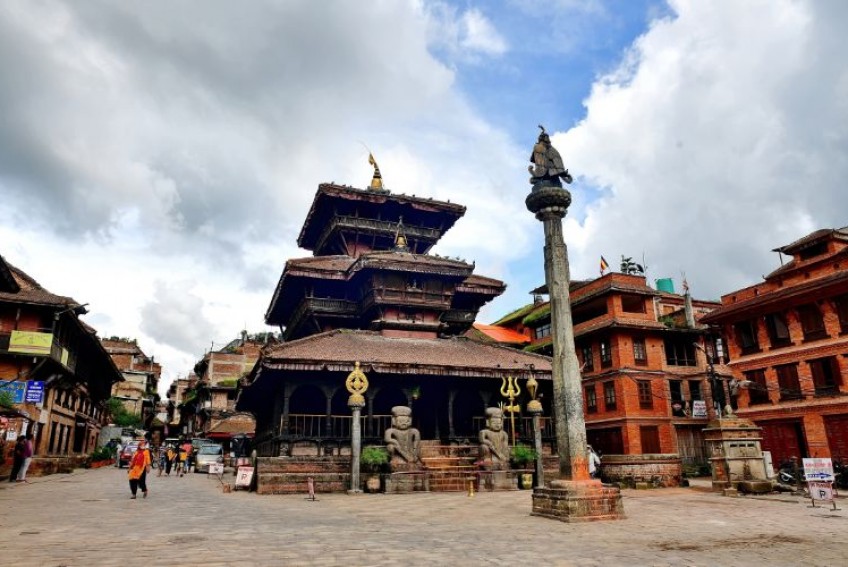
Situated in the eastern quarter of Bhaktapur, the Dattatreya Temple stands within the tranquil Dattatreya Square (Tachapal Tol), a heritage enclave that feels markedly more intimate than the bustling Durbar Square. This three-tiered pagoda temple is among the oldest surviving structures in the Kathmandu Valley, offering a refined glimpse into the artistic and spiritual depth of the Malla era.
Historical Significance
The temple is generally dated to the early-mid 15th century (c. 1427-1470 AD) and is widely attributed to the reign of Yaksha Malla, though some sources suggest subsequent enhancements by later Malla rulers.

Originally believed to have functioned as a sattal (rest house or dharmashala) before evolving into a temple, it reflects the adaptive nature of Newar architecture and urban life.
A popular legend claims the entire structure was built from the timber of a single tree, a narrative shared with Kathmandu’s Kasthamandap. While culturally significant, this remains symbolic rather than historically verified.
The temple is dedicated to Dattatreya, a composite deity representing the Trimurti - Brahma, Vishnu, and Shiva, embodying cosmic unity.
Architectural Highlights
Cultural Atmosphere
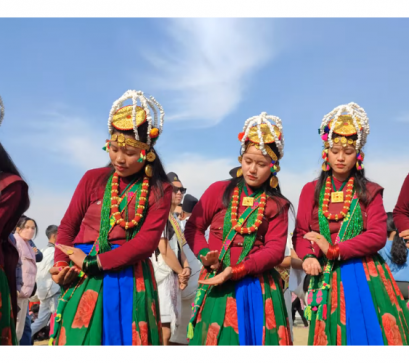
Dattatreya Square offers a more authentic and lived-in ambience compared to central Bhaktapur. Here, heritage is not staged but embedded in daily life: woodcarvers continue their craft, local shrines remain active, and the rhythms of traditional Newar culture unfold quietly.
The surrounding monasteries (maths), including the Pujari Math (now a woodcarving museum), further enrich the area’s cultural texture.

Why Visit
Did You Know?
- The temple’s association with a single tree symbolises unity in diversity, echoing the essence of Dattatreya, the combined manifestation of Brahma (the creator), Vishnu (the preserver), and Shiva (the destroyer).
PC: Wikimedia Commons, Pexels
Also Read