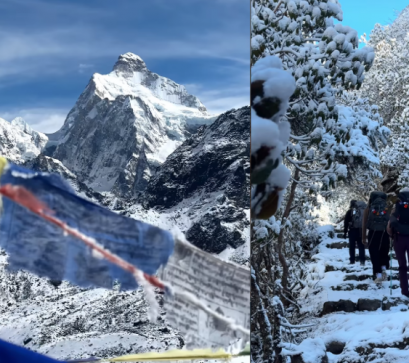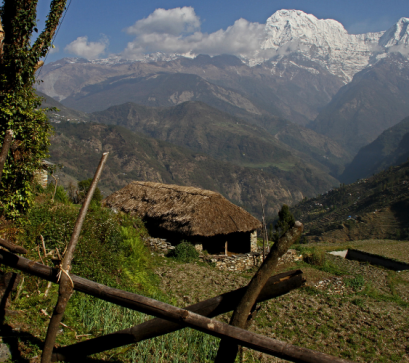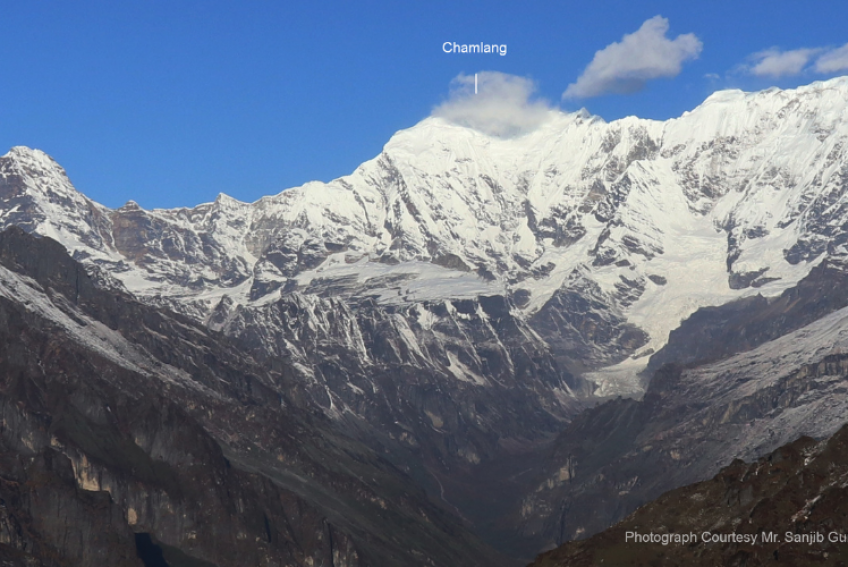
Deep within eastern Nepal’s rugged highlands, where the clouds cling to razor-sharp ridges and glaciers carve ancient paths through rock, stands the majestic Mount Chamlang. Towering at approximately 7,319 metres, this formidable peak is one of the most striking yet least-visited giants of the Himalayas, offering a raw and untouched wilderness experience for seasoned mountaineers and expedition teams.
Located in the heart of eastern Nepal’s remote mountain frontier within the Makalu region, Mount Chamlang remains overshadowed by its more famous neighbours, yet it holds an undeniable allure for those seeking isolation, technical climbing challenges, and pristine alpine landscapes.
A Hidden Jewel of the Eastern Himalayas
Mount Chamlang lies in the shadow of the colossal Makalu range, within the protected boundaries of Makalu-Barun National Park, one of Nepal’s most biodiverse and least disturbed conservation areas. The peak forms part of the greater Himalayan system and is known for its dramatic pyramid-like structure, glaciated faces, and steep technical routes that demand advanced alpine skills.
Unlike popular trekking peaks in Nepal, Chamlang is not a destination for casual trekkers. Its isolation, unpredictable weather patterns, and complex climbing routes make it a serious objective reserved for highly experienced mountaineers.
Geography and Location
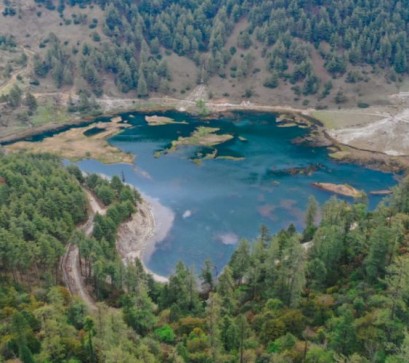
Chamlang is situated in Sankhuwasabha District of eastern Nepal, an area characterised by deep river valleys, dense forests, and towering Himalayan summits. The surrounding terrain is part of the greater Mahalangur Himal subrange, which also includes some of the world’s highest peaks.
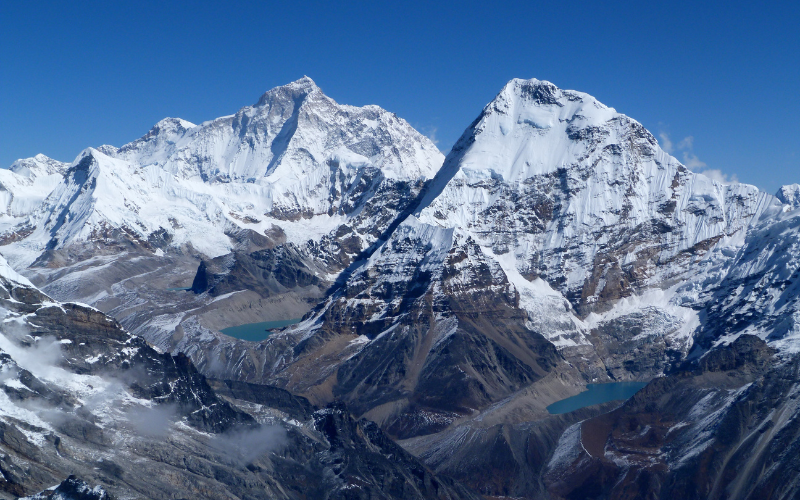
The mountain’s dramatic relief is defined by sheer ice walls, hanging glaciers, and sharp ridgelines, making it one of the more technically demanding peaks in the region. Its remote position ensures that even reaching base camp requires days of trekking through isolated trails and high-altitude wilderness.
Climbing Mount Chamlang
Chamlang has long been considered a challenging objective in Himalayan climbing history. Expeditions typically approach via the Barun Valley, passing through dense rhododendron forests before ascending into glacial terrain.
Key characteristics of the climb include:
Due to these factors, Mount Chamlang is best suited for professional climbers with high-altitude expedition experience rather than commercial trekking groups.
Best Season for Expeditions
The ideal climbing windows for Mount Chamlang are:
Even during these periods, conditions remain highly unpredictable, and expeditions require careful planning and strong logistical support.
Beyond its technical appeal, Chamlang represents the untamed spirit of the eastern Himalayas. It is a reminder of Nepal’s vast and largely unexplored mountain wilderness, where nature still dominates and human presence is minimal.
For Nepal’s mountaineering heritage, Chamlang stands as both a challenge and a symbol of exploration, offering routes that test endurance, skill, and respect for the mountain environment.
PC: Nepal Himal Peak Profile, Wikimedia Commons
Also Read