Dashain in Kathmandu has its own rhythm. Streets fill with shoppers, families prepare for celebrations, and traditional markets become an important part of the festive experience. Among them, Kalanki Khasi Bazaar holds a special place, attracting people looking to purchase goats for family feasts and traditional rituals.
Visiting the bazaar during Dashain is not simply about buying meat. It is an opportunity to experience a marketplace where farmers, traders and customers come together, continuing a tradition closely connected with Nepal’s biggest festival.
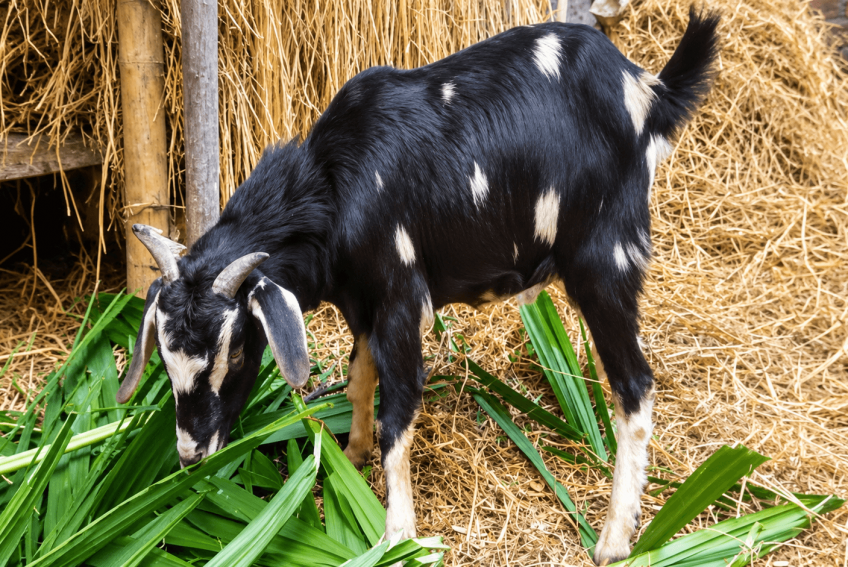
The experience begins with rows of goats of different sizes, colours and breeds. Traders stand beside their livestock, discussing prices with customers, while buyers carefully examine animals before making their decisions.
Goats arrive from districts such as Dang, Salyan, Surkhet, Kalikot, Baitadi, Doti and Udayapur, bringing livestock from different parts of Nepal into one busy marketplace.
Although Kalanki is usually crowded during Dashain, traders have reported fewer customers this year, creating a quieter atmosphere than in previous festive seasons.
Buying a goat at Kalanki is an experience of its own. Customers generally begin by walking through the market, comparing different animals and asking traders about their prices.
Rather than being sold at a fixed price per animal, goats are commonly priced according to their live weight. Once a buyer selects a goat, it is placed on a weighing scale to determine the final cost.
During Dashain 2026, live goats are selling for approximately Rs 780 to Rs 860 per kilogram.
For example, a 25-kilogram goat priced at Rs 800 per kilogram would cost around Rs 20,000.
Bargaining is also part of the experience, with buyers discussing prices before finalising their purchases.
Not everyone needs an entire goat for their Dashain celebrations. Families planning smaller gatherings can purchase fresh goat meat from butcher shops and meat retailers rather than buying a live animal.
This year, retail mutton prices in Kathmandu Valley range from approximately Rs 1,600 to Rs 1,800 per kilogram, with traders anticipating further increases as Dashain approaches.
Those purchasing a whole goat should also remember that its live weight includes bones, skin and internal organs, meaning the quantity of usable meat will be considerably lower.
Health and safety are important when purchasing livestock. The Department of Livestock Services has deployed veterinary teams to inspect goats entering Kathmandu Valley.
Healthy animals are marked green on their horns, while unhealthy ones receive red markings. Buyers are encouraged to check these markings and select active, healthy-looking animals.
A trip to Kalanki Khasi Bazaar offers a glimpse into the traditions surrounding Dashain. From comparing goats and negotiating prices to watching livestock being weighed, every part of the experience reflects the festival’s connection to food, family and community.
Whether purchasing a whole goat or simply exploring the market, Kalanki offers a distinctive way to experience Kathmandu’s festive culture, where age-old traditions continue despite changing prices and shopping habits.