Mount Tutse: Nepal’s Rarely Attempted Peak 6

19, Apr 2026 | nepaltraveller.com

Mount Tutse does not announce itself like Everest or Ama Dablam. It does not offer commercial routes or crowded base camps. Instead, it waits: quiet, steep, and largely unknown. For mountaineers willing to look beyond the obvious, Tutse represents what Himalayan climbing once was—and still can be.

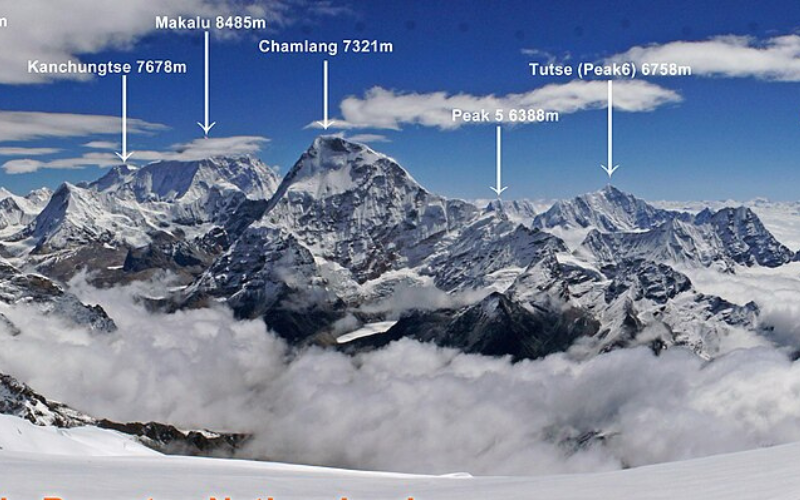
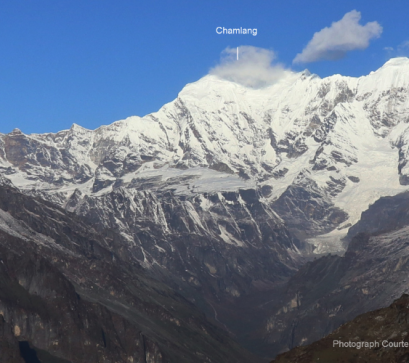
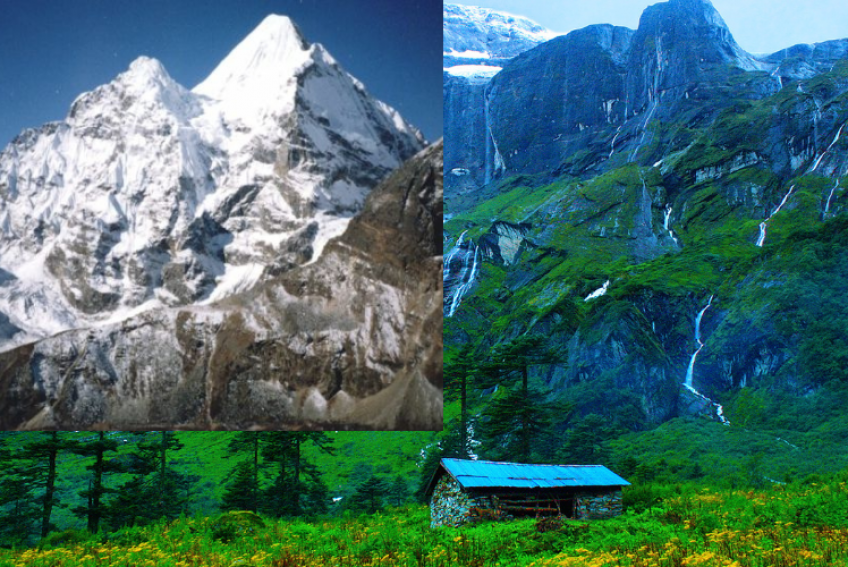
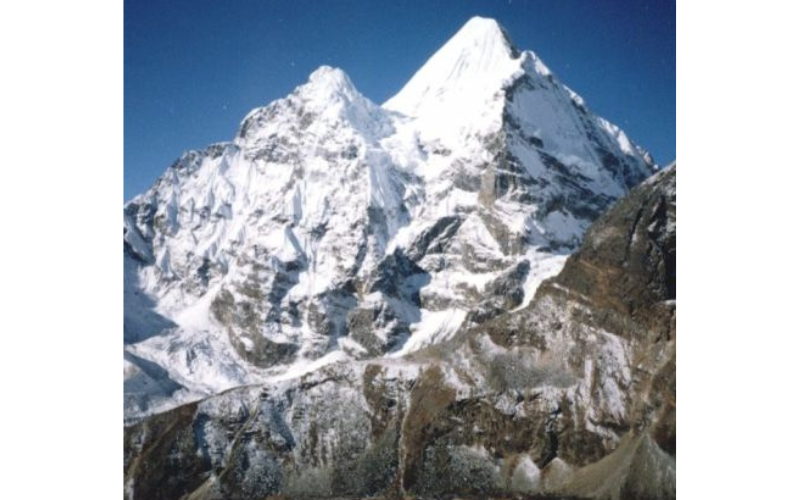
 Rising quietly within the remote folds of eastern Nepal, Mount Tutse (6,758m), also referred to as Peak 6, remains one of the least documented glaciated summits in the Himalaya. Located within Makalu Barun National Park, the mountain lies in eastern Nepal.

 Despite its comparatively modest elevation, Tutse is notable for its exceptional local relief. Its north face rises steeply above the Barun Valley, indicating a mountain defined more by terrain complexity than by altitude alone.
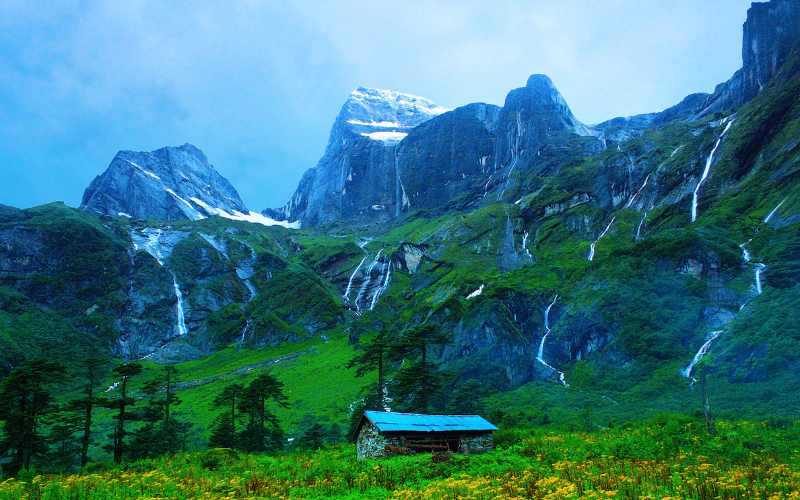

Geographic & Topographic Significance


Mount Tutse forms part of the Mahalangur Himal, one of the most geologically dynamic sections of the Himalaya. Its glaciated slopes contribute to tributaries feeding the Arun River, a major trans-Himalayan river system.

Metrics

  • Elevation: 6,758m
  • Parent Peak: Chamlang

Climbing History & Exploration Status


Unlike Nepal’s more established expedition peaks, Mount Tutse remains poorly documented in mountaineering literature.

  • 2004 Danish Expedition: Led by Claus Ostergaard, attempted the northeast ridge but retreated at 5,000m.
  • The same team successfully climbed a nearby 5,822m peak instead.
  • Reports suggest possible unauthorised ascents by climbers acclimatising on subsidiary peaks of Makalu, but these are not formally documented.
  • No confirmed, widely recognised first ascent is recorded in the Himalayan Database.

Mount Tutse remains:

  • Rarely attempted
  • Minimally recorded
  • Largely absent from commercial expedition routes


Climbing Characteristics & Technical Profile


Mount Tutse is best understood as a technical alpine peak, rather than a trekking or commercially guided mountain.

Key Characteristics

  • Steep glaciated faces with potential for ice and mixed climbing routes
  • Significant vertical gain over short distances
  • Presence of crevassed glacier terrain
  • ​​​​​​​No established fixed routes, camps, or climbing infrastructure

Climbing Style

  • Best suited to alpine-style expeditions
  • Requires advanced proficiency in:
  • - Ice and mixed climbing
  • - Glacier travel and crevasse rescue
  • ​​​​​​​- High-altitude expedition logistics

In character, Tutse aligns more closely with the technical demands of Makalu’s lesser-known subsidiary peaks than with more frequented climbs such as Island Peak.


Weather & Best Climbing Windows


Mount Tutse lies within a high alpine Himalayan climate zone, where conditions are influenced by altitude, glaciation, and seasonal monsoon patterns.

Seasonal Overview

  • Winter (December-February): Severe cold and heavy snow accumulation
  • Monsoon (June-August): High precipitation and unstable conditions
  • Pre-monsoon (April-May): Generally more stable weather patterns
  • Post-monsoon (September-October): Clear skies and improved visibility

Best Time to Climb

  • Spring (April-May)
  • Autumn (September-October)

Weather in the Makalu region remains highly variable, and conditions can change rapidly.


Access & Expedition Approach


Reaching Mount Tutse requires a remote and logistically demanding approach.

Typical Route

  1. Fly to Tumlingtar
  2. Trek through the Arun Valley
  3. Continue into the Barun Valley via the Makalu Base Camp trail
  4. ​​​​​​​Establish a base camp near Tutse’s glaciated approaches

This journey passes through one of Nepal’s most remote and ecologically diverse regions, with limited infrastructure and significant logistical considerations.

Environmental & Ethical Considerations


Situated within Makalu Barun National Park, the area is ecologically sensitive and protected.
​​​​​​​
Climbers are expected to follow:

  • Strict waste management practices
  • Leave No Trace principles
  • ​​​​​​​Respect for local communities and natural habitats

The Barun Valley is widely regarded as one of Nepal’s most intact wilderness regions, making responsible expedition conduct essential.

Mount Tutse does not command the recognition of Mount Everest or Ama Dablam, nor does it feature established routes or regular expeditions. Instead, it remains steep, remote, and sparsely documented.   

PC: caingram.info, Wikimedia Commons,


Also Read


Water Adventures in Nepal, Retreat into Rivers, Rapids & Lakes: Sunday Retreat

Mount Chamlang

LOD Kathmandu Rises to 40th in DJ Mag’s 2026 Top 100 Clubs Ranking

Kanchenjunga Circuit Trek: A Journey to Nepal’s Untamed Frontier

Why Buddha’s Eyes Are Never Fully Open: Friday Facts

join our newsLetter

powered by : nepal traveller digital publication pvt. ltd

developed by : Web House Nepal