Most trekkers heading east go straight for Kanchenjunga base camp, bypassing the ridge that connects to it. That's a missed turn. Tinjure, Milke and Jaljale are three hills of the same mountain range, sitting at the confluence of Tehrathum, Taplejung and Sankhuwasabha districts, and together they've been declared Nepal's Rhododendron Conservation Area. The zone spans roughly 1,500 to 5,500 metres in elevation, with Jaljale as its highest point.
It sits between two better-known protected areas the Kanchenjunga Conservation Area to the east and Makalu Barun National Park to the west and effectively functions as the bridge between them, both for trekkers and for wildlife moving through the corridor that runs from Dharan's Chatara through Hile, Basantapur, Gufa Pokhari and Olangchung Gola toward the Chinese border.
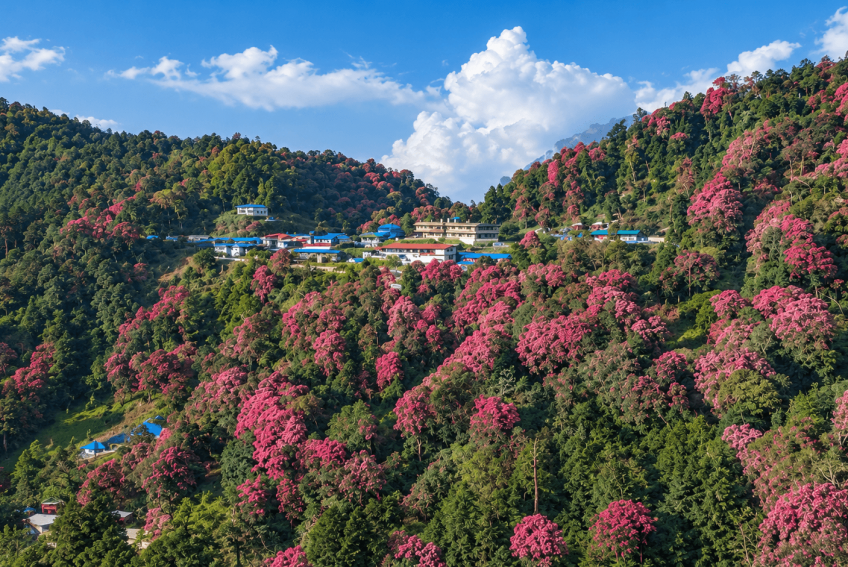
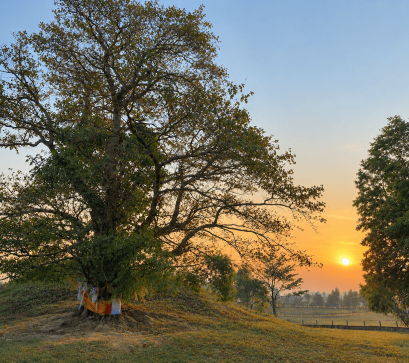
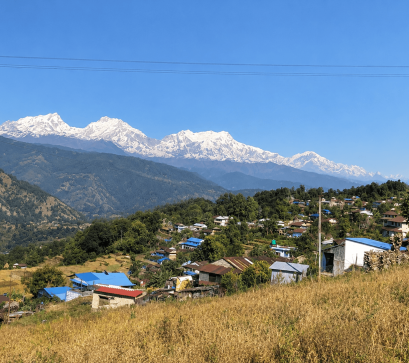
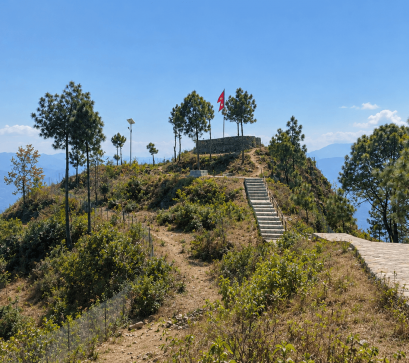
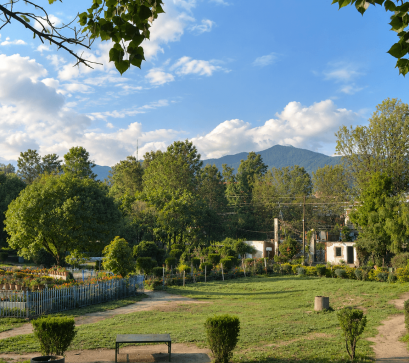
The terrain shifts with altitude: dense mid-hill forest lower down giving way to open ridgeline near Milke and Jaljale, with Kanchenjunga, Makalu and, on clear days, Everest visible from various points along the walk. Snow falls from mid-December to mid-February, and the rhododendrons begin flowering from mid-January, continuing into the higher ground through spring. The area is also the source of several rivers feeding the Arun and Tamor watersheds.
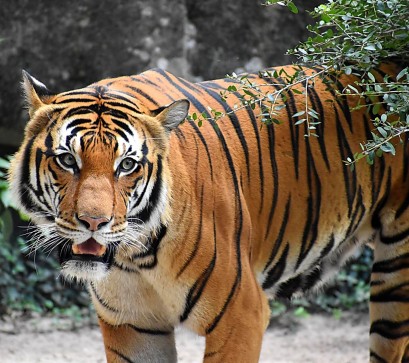
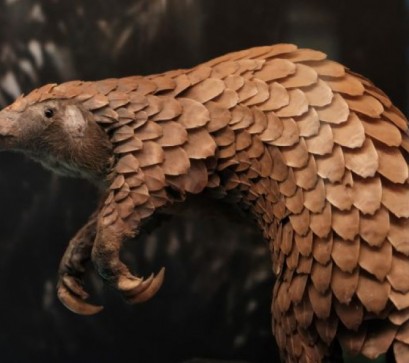
Wildlife here includes snow leopard, clouded leopard, red panda, musk deer, Himalayan black bear, common leopard, barking deer and Himalayan thar, several of them on the CITES list. More than 270 bird species have been recorded, including the spiny babbler, hill partridge and pheasants such as the Himalayan monal and kalij. On the plant side, beyond the rhododendrons there are over 250 recorded species, including Himalayan yew, oak and various pine and fir varieties that shift with elevation.
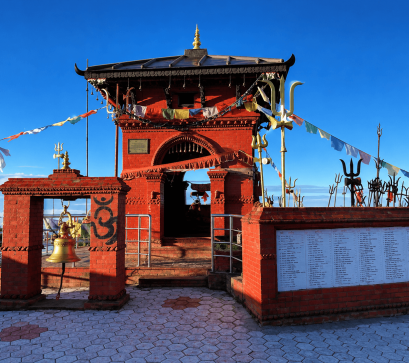
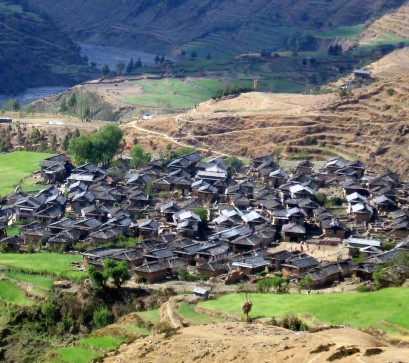
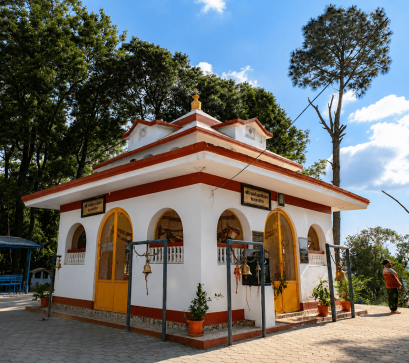
Around 100,000 people live across the TMJ area, from Limbu, Rai, Chhetri, Bahun, Gurung, Sherpa and Dalit communities. The Limbu and Rai in particular maintain the Mundhum oral tradition, with Phedangma shamans conducting rituals using the dhyangro drum practices visitors may witness in villages like Basantapur, not staged for tourism but part of ongoing local life. Gupha Pokhari, a pond within the conservation area, is a shared pilgrimage site across Kirat, Hindu and Buddhist traditions.
The recommended visiting window is mid-February to mid-June, with peak rhododendron bloom typically falling in April. To get there by road, buses run from Kathmandu's Koteshwor and Gongabu stands via Sindhuli and Bardibas to Dharan, a roughly 400-kilometre, 10-hour trip.
Flying cuts this down: Kathmandu to Biratnagar is a 35-minute flight, followed by a jeep journey via Dharan and Hile to Gufa Pokhari, or a public bus from Dharan to Basantapur and a jeep onward to Gufa Pokhari. Trekking to Jaljale itself starts from Gufa Pokhari.
Given the altitude range and limited upper-ridge infrastructure, pack for cold nights even in spring, and confirm permit and lodging arrangements before heading up from Basantapur.

.jpg)