Bikram Sambat, or BS, is Nepal's official calendar, the one on your citizenship card and government paperwork. Named after King Bikramaditya of Ujjain, it runs roughly 57 years ahead of the Gregorian count, which is why Nepal always seems a few years "ahead" by Western reckoning.
The BS New Year falls in mid-April, at the start of Baisakh, and it's a national holiday. It lines up with spring, when the mustard fields turn and winter finally lifts. Bhaktapur celebrates hardest, with Bisket Jatra, a chariot-pulling festival that takes over the city for days. Elsewhere, it's quieter: new clothes, family visits, resolutions that rarely outlast the week.
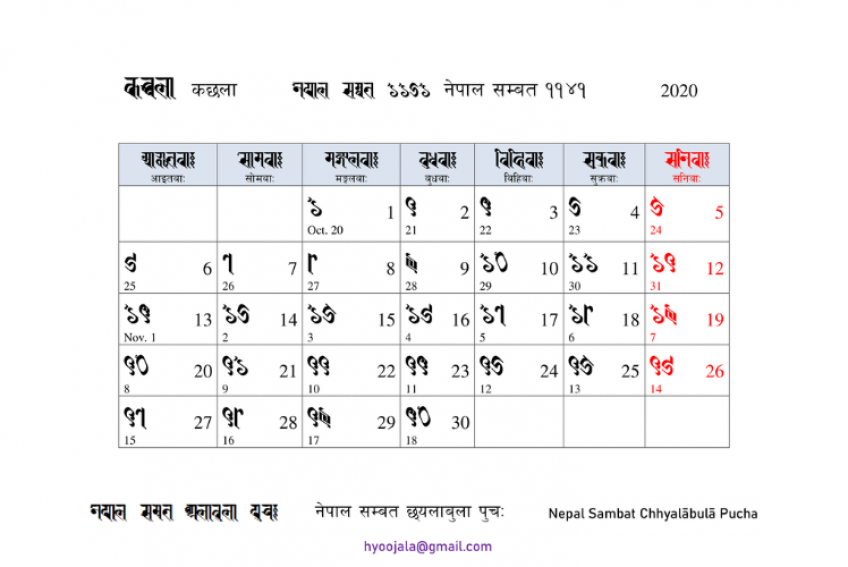
Nepal Sambat predates Bikram Sambat and belongs to the Newar community, the indigenous people of the Kathmandu Valley. It dates to the 9th century and was once the calendar of the entire Malla kingdom, used for trade and land records long before BS became the state standard.
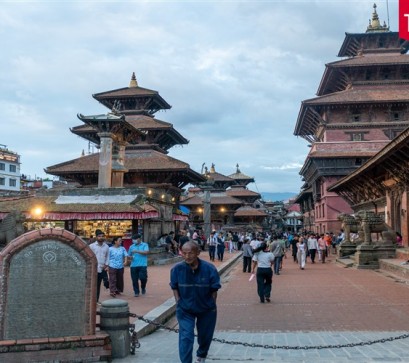
Its new year arrives the day after Mha Puja, right on Tihar's heels, when Newar families perform a ritual of self-worship and renewal. Kathmandu, Patan, and Bhaktapur mark it with processions, masked dances, and neighborhood feasts. In 2007, it was formally recognized as a national calendar, acknowledging a tradition that had survived over a thousand years without official backing.
Then there's January 1, which Nepal never officially adopted but never quite ignored either. It shows up in international business, school academic years in some institutions, passports, and increasingly, in how urban Kathmandu parties. Fireworks over Thamel, countdown parties, resolutions typed into phones instead of spoken to elders. It doesn't carry the ritual weight of BS or Nepal Sambat, but it's very much part of how modern Nepal keeps time.
Most countries settle on one calendar and move on. Nepal kept two official ones running side by side and never fully shut the door on a third. Bikram Sambat gives the country its civic rhythm. Nepal Sambat keeps an older identity alive. Gregorian time keeps Nepal in sync with the rest of the world.
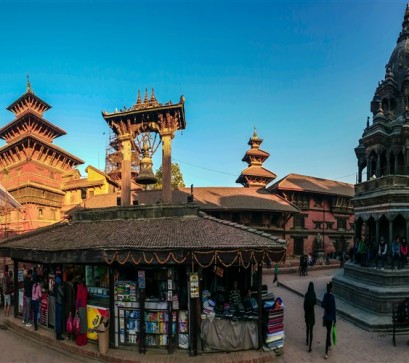
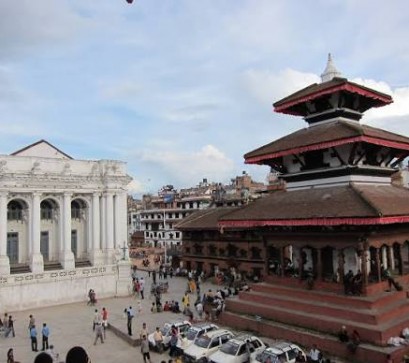
That layering is very Nepali: a fifteenth-century temple beside a phone repair shop, a centuries-old chariot festival trending on Instagram, a country where you can toast to a new year three separate times and mean it every time.
So next time someone tells you Nepal has two new years, remember there's a third one quietly counting alongside them.