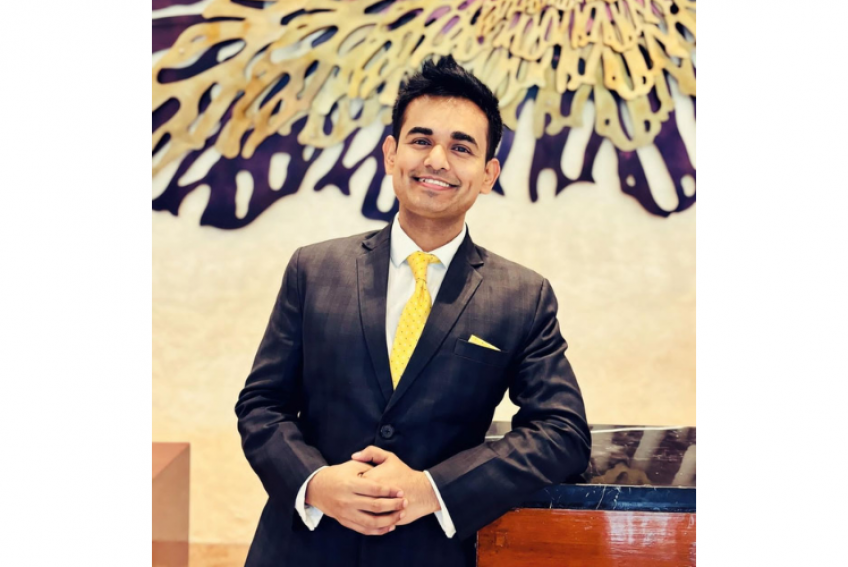
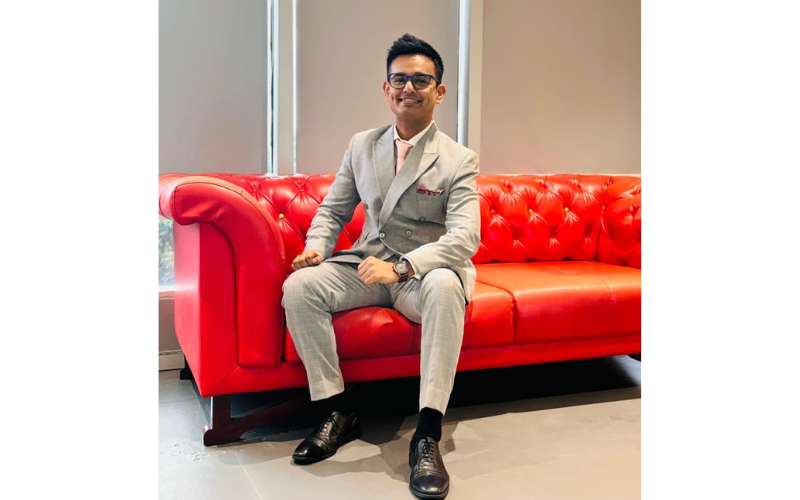
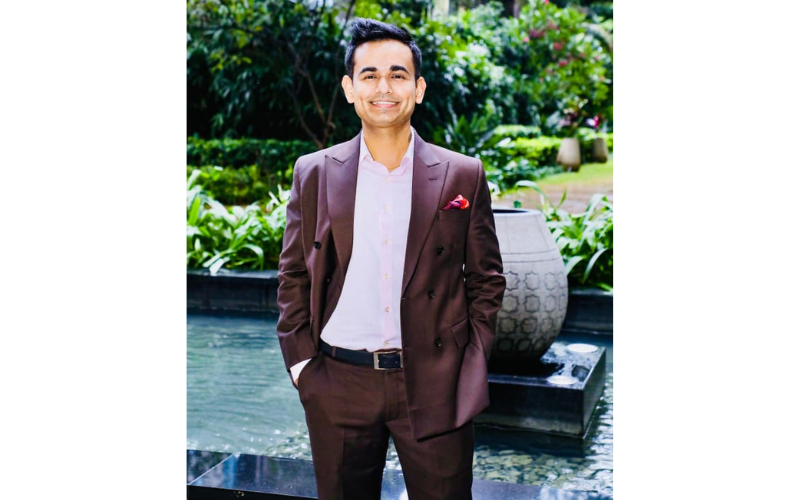
With over 15 years of experience across diverse hospitality landscapes from fast-paced business hotels to expansive resorts, Rakshit Jangwan has been shaped both professionally and personally by the industry he serves. In his role as Hotel Manager at Fairfield by Marriott Kathmandu, he brings with him a deeply people-centric approach, viewing hotels as living spaces that thrive through the energy of their teams and the experiences of their guests. For Rakshit Jangwan, this role extends beyond leadership; it is an opportunity to cultivate culture, inspire individuals, and transform everyday interactions into lasting memories. Guided by the philosophy “Great hospitality is not just about service, it’s about creating moments that stay with people long after they leave,” he continues to redefine meaningful guest experiences.
Could you share a bit about your journey in the hospitality industry, and what keeps you passionate about it?
Like many in this industry, my journey began at the front desk, a place where you quickly learn that no two days, and no two guests, are ever the same.
“The front desk teaches you the most important lesson in hospitality: to listen before you act.”
Over time, my path evolved through operational and leadership roles, including hotel pre-openings and multi-property responsibilities. Each phase came with its own challenges, but also immense learning.
What continues to inspire me is the human side of hospitality. It’s an industry built on emotion, connection, and trust. Whether it’s solving a problem in the moment or creating a seamless experience behind the scenes, the impact we make is immediate and real, and that’s incredibly fulfilling.
How would you describe the positioning of your hotel within the competitive Thamel hospitality market?
Thamel is vibrant, ever-evolving, and undeniably competitive; a destination where global travelers and local culture intersect.
In this dynamic landscape, Fairfield by Marriott Kathmandu holds a distinctive position. As the first Marriott-branded hotel in Nepal, it carries a legacy of global trust, consistency, and brand assurance that resonates strongly with international guests.
“In a market full of choices, consistency and authenticity become your strongest differentiators.”
Our approach is to quietly stand apart by delivering reliable, high-quality experiences while embracing the warmth and character of Nepali hospitality. It’s this balance of global standards and local soul that defines our identity.
How do you balance luxury/service with environmentally friendly practices?
Today, leadership in hospitality is as much about responsibility as it is about service. The idea is no longer to balance the two, but to seamlessly integrate them.
“Sustainability is not a feature, it’s a mindset that should reflect in every decision we make.”
From resource optimization to mindful guest offerings, it’s about making choices that are both thoughtful and impactful. More importantly, it’s about building a culture where teams understand the ‘why’ behind these practices.
When that alignment happens, sustainability becomes effortless, and guests experience it not as a compromise, but as a conscious, modern way of hospitality.
What’s one thing every visitor must do when they come to Kathmandu?
Kathmandu is a city that reveals itself slowly, and beautifully.
A visit to Pashupatinath Temple is, in many ways, a defining experience. There is a sense of stillness and spiritual depth there that stays with you. It’s both humbling and grounding.
“Kathmandu isn’t just a place you visit but a place you feel.”
Beyond that, I always encourage visitors to explore Thamel on foot. Wander without a plan, take in the energy, engage with people. It’s in these unscripted moments that the true essence of the city comes alive.
What advice would you give to someone aspiring to become a hotel manager?
I would say, “Embrace the journey, not just the destination.”
Hospitality is one of those industries where experience is your greatest teacher. Start at the foundation, stay curious, and never lose sight of the details.
“Titles don’t make leaders but consistency, empathy, and resilience do.”
Focus on building strong relationships, both with your team and your guests. Lead with empathy, remain adaptable, and most importantly, stay grounded.
Because in the end, being a hotel manager isn’t just about running operations, it’s about shaping experiences, building trust, and creating an environment where both people and ideas can thrive.
Also Read