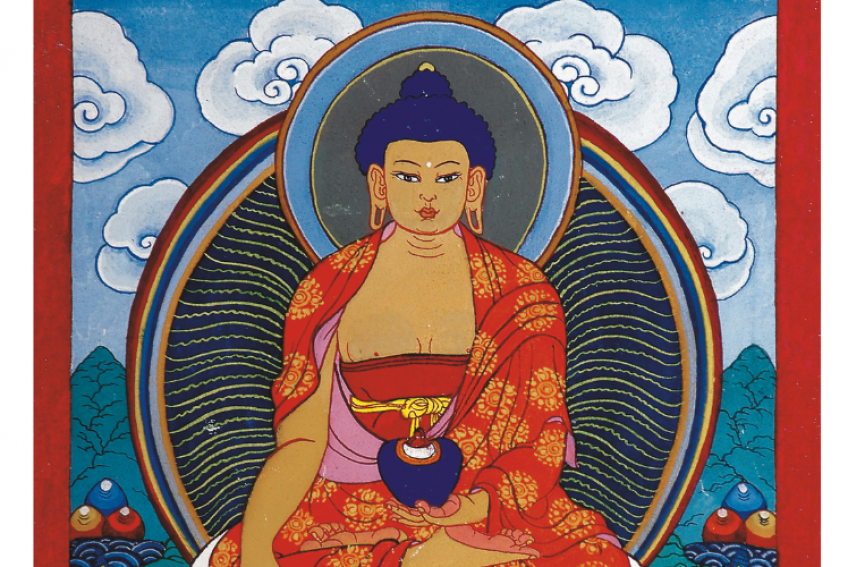
“Peace comes from within. Do not seek it without.” - Gautam Buddha
“The mind is everything. What you think you become.”
These timeless teachings from Gautama Buddha continue to guide millions across the world, rooted in a philosophy that seeks balance, awareness, and inner clarity. Born in Lumbini, in present-day Nepal, the Buddha’s journey from Prince Siddhartha to the Enlightened One laid the foundation for one of the world’s most profound spiritual traditions.
A Glimpse into History
Over 2,500 years ago, Siddhartha Gautam renounced a life of luxury in pursuit of truth. Through deep meditation and self-realisation, he attained enlightenment under the Bodhi tree, shaping the core principles of Buddhism: the Middle Way, mindfulness, and compassion. As Buddhism spread across Asia, so too did its artistic expressions, each rich with symbolism.
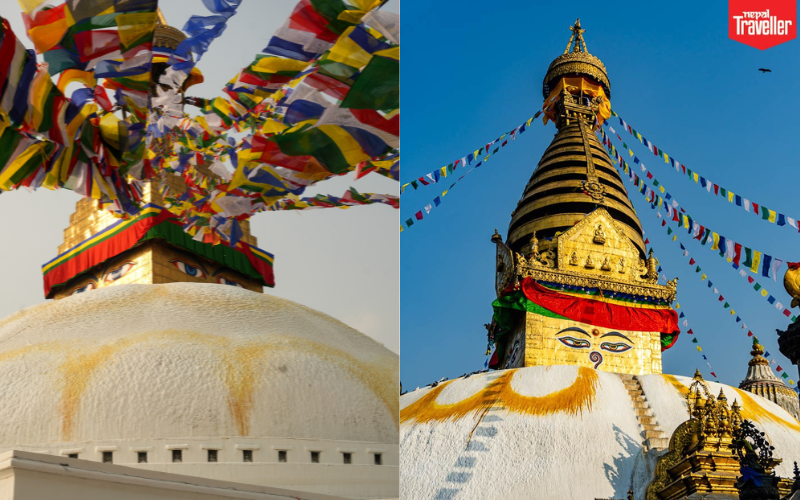
In Kathmandu Valley, this symbolism is beautifully embodied in ancient stupas such as Boudhanath Stupa and Swayambhunath Stupa, where the iconic “Buddha eyes” gaze silently in all four directions.
The Mystery Behind the Half-Closed Eyes
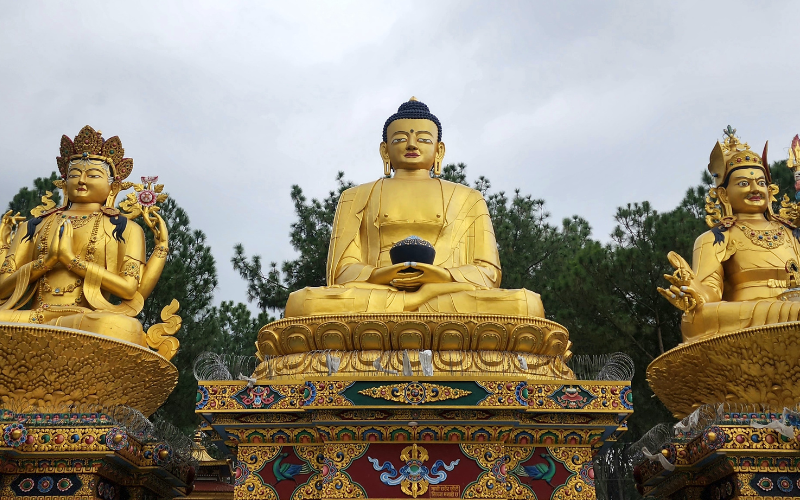
One of the most intriguing features of these stupas or the paintings of Buddha and Bodhisattvas is that the Buddha’s eyes are never fully open nor completely closed. This is far from an artistic coincidence.
The half-closed eyes represent a state of balanced awareness. In Buddhist philosophy, this signifies looking both inward and outward simultaneously. Fully open eyes would symbolise engagement solely with the external world: distractions, desires, and impermanence. Fully closed eyes, on the other hand, would suggest complete withdrawal from reality.
Instead, the Buddha’s gaze reflects the Middle Path; a harmonious coexistence between inner reflection and external consciousness.
A Symbol of Mindfulness
The eyes serve as a reminder of mindfulness to remain present, aware, and centred. As visitors circle these stupas, spinning prayer wheels and murmuring mantras, the Buddha’s gaze appears to follow them, quietly encouraging introspection.
You may also notice the spiral shape between the eyes, resembling a question mark. This is not a nose, but the Nepali numeral “१” (one), symbolising unity, the oneness of all beings and the single path to enlightenment.
A Living Cultural Icon
Today, the Buddha eyes are more than just religious symbols; they are an enduring emblem of Nepal’s spiritual identity. Whether painted on prayer flags, carved into monastery walls, or towering above stupas, they continue to watch over the valley: calm, knowing, and ever-aware.
In a fast-moving world, perhaps their message is more relevant than ever: to pause, to observe, and to find stillness within.
PC: Wikimedia Commons, WordPress
Also Read